Raised Garden Beds: Complete Beginner’s Guide to Build, Fill & Grow (2026)

If you’re looking for an easy way to grow healthy vegetables, herbs, or flowers, Raised Garden Beds are one of the best options. They make gardening easier, help improve soil quality, and give plants the right space to grow. Whether you have a large backyard or a small outdoor area, raised beds can fit almost any space. This guide explains everything you need to know, from choosing the right size to building and filling your garden bed, so you can start growing with confidence.
What Are Raised Garden Beds?
Raised garden beds are planting areas that sit above the ground and are surrounded by a frame. The frame can be made from wood, metal, stone, or other durable materials. Instead of planting directly in the ground, you fill the bed with fresh, nutrient-rich soil.
Many gardeners choose raised beds because they offer better control over soil quality, drainage, and weed growth. They also make gardening easier on your back and knees since the planting area is higher than the surrounding ground.
For example, if your yard has hard clay soil or poor drainage, a raised garden bed allows you to create the perfect growing environment without replacing all the existing soil. You simply build the frame, add quality soil, and start planting.
Raised garden beds are ideal for growing vegetables like tomatoes, peppers, lettuce, carrots, cucumbers, and herbs. They also work well for flowers and small fruit plants.
Whether you’re a beginner or an experienced gardener, raised garden beds make gardening more organized, productive, and enjoyable.
Why Raised Garden Beds Are Important?
Raised garden beds offer many benefits that help both new and experienced gardeners succeed.
One of the biggest advantages is better soil control. You can choose the best soil mix instead of depending on the natural soil in your yard. Healthy soil leads to stronger roots and higher yields.
Another important benefit is improved drainage. Excess water flows through the soil more easily, reducing the risk of root rot and fungal diseases.
Raised beds also warm up faster in spring. This allows you to start planting earlier and often enjoy a longer growing season.
Many gardeners notice fewer weeds because the growing area is clearly defined and filled with clean soil. Pest control is often easier as well.
Raised beds improve accessibility, making gardening more comfortable for older adults or anyone who has difficulty bending down.
They also make your yard look cleaner and more organized. Neatly built beds create attractive planting spaces that are easy to maintain.
Overall, raised garden beds help you grow healthier plants while making gardening simpler and more enjoyable.
Complete Guide to Raised Garden Beds for Beginners in the USA
Growing your own vegetables, herbs, and flowers is easier than you might think, especially with Raised Garden Beds. They provide better soil, improved drainage, and easier access, making them a great choice for beginners and experienced gardeners alike. Whether you have a large backyard or a small outdoor space, raised beds can help you grow healthier plants with less effort. In this complete guide, you’ll learn how to choose the right size, build and fill a raised garden bed, select the best soil, and follow simple tips to create a productive garden that thrives season after season.
How Deep Should a Raised Garden Bed Be?
The right depth depends on what you want to grow. Most raised garden beds work well with a depth of 10 to 12 inches, which is enough for many vegetables, herbs, and flowers.
If you’re planting shallow-rooted crops like lettuce, spinach, onions, or herbs, about 8 to 10 inches of soil is usually enough.
Plants with deeper roots, such as tomatoes, carrots, peppers, potatoes, and squash, grow better in beds that are 12 to 18 inches deep. Extra depth allows roots to spread, find nutrients, and access moisture more easily.
If your raised bed sits directly on healthy ground, plant roots can continue growing into the native soil below. In this case, even a 10-inch bed can support many larger vegetables.
For example, a family growing tomatoes and peppers may choose a 16-inch-deep raised bed to give the plants plenty of room for strong root development and healthy growth throughout the season.
Choosing the proper depth from the beginning helps reduce watering problems and encourages better harvests.
How Much Soil for a Raised Garden Bed?
The amount of soil you need depends on the bed’s length, width, and height. To calculate it, multiply these three measurements together to find the total volume.
For example:
- A 4 ft × 8 ft bed that is 12 inches deep needs about 32 cubic feet of soil.
- Since one cubic yard equals 27 cubic feet, you’ll need about 1.2 cubic yards of soil.
Many garden centers sell soil by the cubic yard, while bagged soil is sold in cubic feet. Knowing your bed’s volume helps you buy the right amount without wasting money.
Most gardeners use a quality raised bed mix made from compost, topsoil, and organic materials. This blend provides good drainage while holding enough moisture for healthy plant growth.
If you’re filling several raised beds, ordering bulk soil is often more affordable than buying dozens of bags.
Measuring carefully before purchasing soil makes the project easier and keeps your gardening budget under control.
How to Build a Raised Garden Bed?
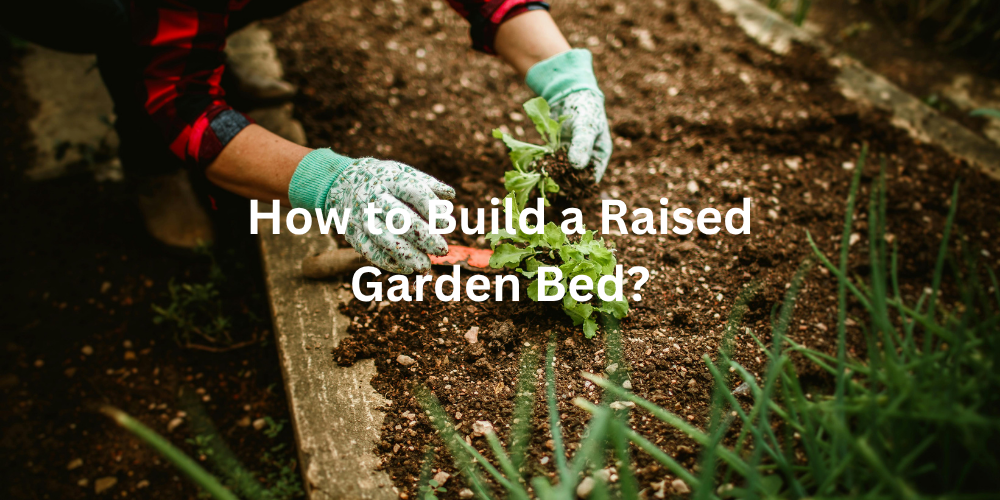
Building a raised garden bed is a simple weekend project that almost anyone can complete with basic tools.
Start by choosing a sunny location that receives at least six to eight hours of sunlight each day. Most vegetables grow best in full sun.
Next, decide on the size of your bed. A common size is 4 feet wide and 8 feet long because you can easily reach the center from both sides.
Choose durable materials such as cedar wood or galvanized metal. Assemble the frame using screws or brackets, making sure each corner is secure.
Place the frame on level ground and remove any large weeds or grass inside the area. If needed, add landscape fabric or cardboard to reduce weeds.
Fill the bed with a high-quality soil mix, water the soil thoroughly, and let it settle before planting.
For example, many beginner gardeners build one 4×8 cedar raised bed, fill it with compost-rich soil, and start growing tomatoes, peppers, lettuce, and herbs in the same season.
Best Soil for Raised Garden Beds
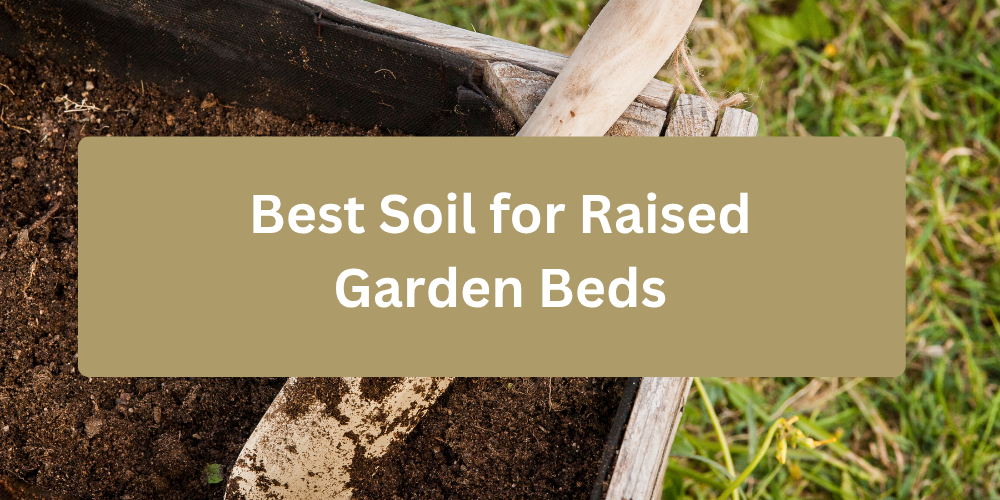
Healthy soil is one of the most important parts of a successful raised garden bed. The right mix gives plants the nutrients, water, and airflow they need to thrive.
A common soil blend includes:
- About 40% quality topsoil
- About 40% finished compost
- About 20% materials that improve drainage, such as coarse sand, pine bark fines, or coconut coir
Compost supplies nutrients and supports beneficial soil organisms. Topsoil provides structure, while drainage materials help prevent water from collecting around roots.
Avoid using heavy clay soil by itself because it can become compacted and limit root growth. Likewise, avoid filling beds with only garden soil from your yard unless it has been improved with organic matter.
Adding fresh compost every year helps maintain soil fertility and keeps plants growing strong.
When you start with nutrient-rich, well-draining soil, your vegetables, herbs, and flowers are more likely to produce healthy growth and larger harvests.
How to Fill a Raised Garden Bed?
Filling a raised garden bed the right way helps plants grow strong and healthy from the start. While you can fill the entire bed with premium garden soil, using layers is often more cost-effective, especially for deeper beds.
For beds that are 12 inches or deeper, begin with natural materials like small branches, sticks, untreated wood, or dry leaves at the bottom. These materials break down slowly and improve soil structure over time. Add a layer of compost or partially finished organic matter on top, then finish with a high-quality raised bed soil mix.
For shallower beds, it’s usually best to fill the entire space with nutrient-rich soil.
After filling the bed, water it well to help the soil settle. You may need to add a little more soil before planting.
For example, a 16-inch raised bed can be filled with branches at the bottom, compost in the middle, and rich garden soil on top. This method saves money while creating a healthy environment for plant roots.
How Wide Should a Raised Garden Bed Be?
The width of a raised garden bed affects how easy it is to plant, water, and harvest. A bed that is too wide makes it difficult to reach the center without stepping on the soil.
Most experts recommend a maximum width of 4 feet. This allows you to reach the middle from either side while keeping the soil loose and healthy.
If children or people with limited mobility will use the bed, a width of 3 feet may be even more comfortable.
Longer beds are perfectly fine, but always leave walking paths between beds. Paths that are about 2 to 3 feet wide provide enough room for easy movement, wheelbarrows, and garden tools.
For example, many home gardeners build 4-foot-wide by 8-foot-long beds because they offer plenty of growing space while remaining easy to maintain.
Choosing the right width helps prevent soil compaction and makes gardening more enjoyable throughout the growing season.
How High Should a Raised Garden Bed Be?
The ideal height depends on your plants, soil conditions, and gardening needs. For most home gardens, a height of 10 to 12 inches works well.
If your yard has poor soil or drainage problems, consider building beds that are 12 to 18 inches high. The extra depth provides more room for roots and improves water movement.
Gardeners who want easier access often choose beds that are 24 to 30 inches tall. These taller beds reduce bending and make gardening more comfortable for older adults or anyone with back or knee pain.
Keep in mind that taller beds require more soil, which increases the overall cost.
For example, someone growing vegetables in a backyard with heavy clay soil may choose a 16-inch raised bed to improve drainage and create healthier growing conditions.
Selecting the right height helps your plants develop strong roots while making daily garden care easier.
Raised Garden Bed Drainage
Good drainage is essential for healthy plants. When water stays in the soil for too long, roots can rot, and diseases become more common.
Most raised garden beds naturally drain better than traditional in-ground gardens because the soil sits above the surrounding ground. Using a loose, well-balanced soil mix also improves drainage.
Avoid placing thick plastic under the bed because it traps water and prevents roots from reaching the soil below. If burrowing pests are a problem, use hardware cloth or wire mesh instead.
Water only when the top inch of soil feels dry. Overwatering can be just as harmful as underwatering.
For example, after a heavy rain, a properly built raised bed should drain excess water within a short time while keeping enough moisture for healthy root growth.
Maintaining good drainage helps vegetables grow stronger and reduces many common garden problems.
What to Put in the Bottom of a Raised Garden Bed?
Choosing the right materials for the bottom of your raised garden bed can improve drainage, reduce weeds, and save money on soil.
If your bed sits directly on the ground, many gardeners place cardboard or several layers of newspaper at the bottom. These materials block weeds while naturally breaking down over time.
For deeper beds, you can also add untreated branches, sticks, pine cones, or dry leaves before adding compost and soil. These natural materials slowly decompose and help reduce the amount of soil needed.
If rodents or burrowing animals are common in your area, install hardware cloth beneath the bed before filling it. This protects plant roots without blocking water drainage.
Avoid using treated wood, painted lumber, plastic trash, or materials that may release harmful chemicals into the soil.
For example, many gardeners place cardboard first, followed by branches, compost, and nutrient-rich soil. This simple layering method creates a healthy foundation for vegetables and flowers while lowering the overall cost of filling the bed.
Raised Garden Bed Spacing
Proper spacing helps every plant get enough sunlight, water, and airflow. When plants are crowded, they compete for nutrients and are more likely to develop diseases.
Always follow the spacing recommendations on your seed packet or plant label. Small crops like lettuce and spinach can grow closer together, while larger plants like tomatoes, peppers, and squash need more room.
A simple method is square foot gardening, where each square foot is planted based on the size of the crop. For example, you can grow one tomato plant per square, while several carrots or radishes can share the same space.
Leave enough walking space around your raised beds so you can water, weed, and harvest comfortably without stepping on the soil.
Good spacing improves air circulation, reduces pest problems, and helps plants produce bigger harvests throughout the growing season.
How to Prepare a Raised Garden Bed?
Preparing your raised garden bed before planting gives your plants the best possible start.
First, remove weeds, grass, and large rocks from the area. If your bed sits directly on the ground, place cardboard or newspaper underneath to help block weeds.
Next, fill the bed with a high-quality soil mix that contains topsoil, compost, and organic matter. Mix the soil well so nutrients are evenly distributed.
Check that the soil drains properly by watering it before planting. If water pools on the surface, add more compost or other materials that improve drainage.
You can also mix in a balanced organic fertilizer if your soil is low in nutrients.
Finally, level the soil surface with a rake and plan your planting layout before adding seeds or seedlings.
Taking a little extra time to prepare the bed helps plants establish healthy roots and grow stronger throughout the season.
Raised Garden Bed Liner
A raised garden bed liner can protect your garden in certain situations, but it isn’t always necessary.
Many gardeners use landscape fabric to reduce weeds while still allowing water to drain through the soil. Others use hardware cloth to keep moles, gophers, and other burrowing animals out of the bed.
If you’re using a wooden raised bed, some people line the inside with breathable landscape fabric to help protect the wood from constant soil contact. This may slightly extend the life of the wood while still allowing moisture to move naturally.
Avoid solid plastic liners because they can trap water and create drainage problems.
Choose a liner based on your garden’s specific needs. For example, if weeds are your biggest problem, landscape fabric is a good choice. If underground pests are common, hardware cloth is usually the better option.
Cedar vs. Metal Raised Garden Beds
Both cedar and metal raised garden beds are excellent choices, but each has its own advantages.
Cedar Raised Garden Beds
- Naturally resistant to rot and insects
- Attractive natural appearance
- Safe for growing vegetables
- Easy for beginners to build
- Usually lasts 10–15 years or more with proper care
Metal Raised Garden Beds
- Extremely durable
- Resistant to rot and termites
- Modern appearance
- Often lasts 20 years or longer
- Requires very little maintenance
If you prefer a classic backyard garden, cedar is a great option. If you want a long-lasting bed with minimal upkeep, galvanized metal may be the better investment.
Choose the material that fits your budget, style, and long-term gardening goals.
Step-by-Step Raised Garden Beds Guide
Starting a raised garden bed is easier than many beginners think. By following a few simple steps, you can create a healthy growing space that produces vegetables, herbs, and flowers for years.
Step 1: Choose the Right Location
Select a spot that gets at least 6–8 hours of sunlight each day.
Step 2: Decide on the Size
A common beginner size is 4 feet wide by 8 feet long and 10–12 inches deep.
Step 3: Build the Frame
Use durable materials such as cedar or galvanized metal and make sure the frame is level.
Step 4: Prepare the Ground
Remove weeds and place cardboard or hardware cloth if needed.
Step 5: Fill with Quality Soil
Use a mix of topsoil, compost, and organic matter.
Step 6: Plan Your Plants
Space plants according to their growing needs.
Step 7: Water and Mulch
Water thoroughly and add mulch to help retain moisture and reduce weeds.
Raised Garden Beds Common Problems & Solutions
Even well-built raised garden beds can experience problems. The good news is that most issues are easy to fix with proper care and regular maintenance.
| Problem | Solution |
| Poor drainage | Improve soil mix and avoid overwatering. |
| Too many weeds | Apply mulch and remove weeds early. |
| Dry soil | Water deeply and mulch the surface. |
| Nutrient loss | Add compost every growing season. |
| Pests | Inspect plants regularly and use safe pest control methods. |
| Crowded plants | Follow recommended plant spacing. |
| Soil settling | Add fresh soil or compost each year. |
Checking your garden regularly allows you to catch small problems before they become larger ones.
Tips & Best Practices of Raised Garden Beds
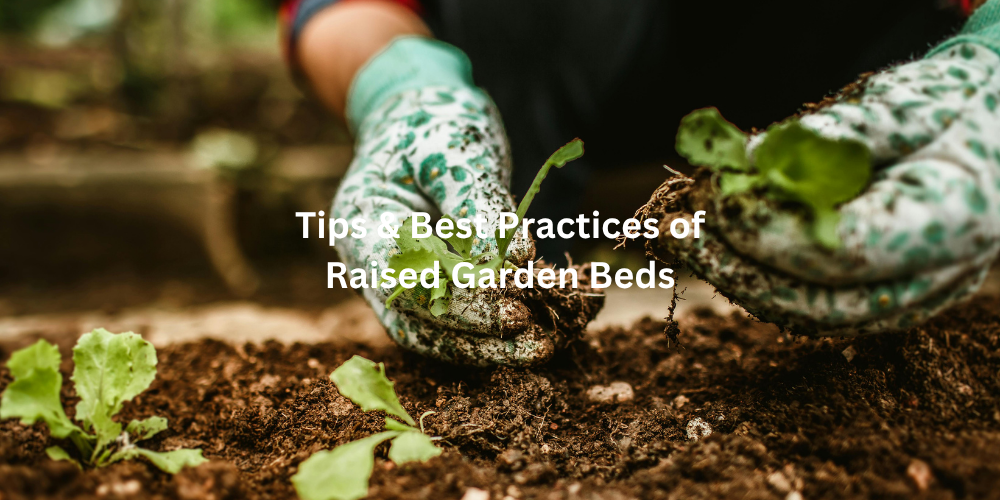
A few simple habits can help your raised garden bed stay productive year after year. Regular care improves plant health and makes gardening more enjoyable.
- Add fresh compost every spring.
- Rotate crops each season.
- Water deeply instead of lightly every day.
- Apply mulch to conserve moisture.
- Remove weeds while they are small.
- Use high-quality soil from the beginning.
- Avoid stepping inside the bed to prevent soil compaction.
- Inspect plants weekly for pests and diseases.
- Clean garden tools after use.
- Keep a gardening journal to track what works best.
Small improvements each season can lead to healthier plants and larger harvests over time.
Frequently Asked Questions
Many beginners have similar questions before building their first raised garden bed. Here are some quick answers to help you get started.
How long do raised garden beds last?
A cedar raised bed typically lasts 10–15 years, while galvanized metal beds can last 20 years or more with proper care.
Do raised garden beds need a bottom?
Not usually. Beds placed directly on the ground allow roots to grow naturally into the soil below. Hardware cloth can be added to protect against burrowing pests.
How often should I replace the soil?
You don’t need to replace all the soil every year. Simply add compost and organic matter each season to refresh nutrients.
What vegetables grow best in raised garden beds?
Tomatoes, peppers, lettuce, carrots, onions, cucumbers, beans, spinach, herbs, and many other vegetables grow very well in raised beds.
Are raised garden beds worth the cost?
Yes. They improve soil quality, drainage, weed control, and plant health, making gardening easier and often leading to better harvests.
Conclusion
Raised garden beds are one of the easiest and most effective ways to grow healthy plants at home. They provide better soil, improved drainage, easier maintenance, and higher productivity than many traditional gardens.
Whether you’re building your first raised bed or improving an existing one, choosing the right size, soil, spacing, and materials will set you up for success. With regular care and a little planning, your raised garden bed can provide fresh vegetables, herbs, and flowers for many growing seasons.
Start with one well-built raised garden bed, learn as you grow, and enjoy the rewards of a thriving garden right in your own backyard.