How Deep Should a Raised Garden Bed Be? Best Depth Guide for Every Vegetable

Introduction
If you have ever stood in your backyard how deep should a raised garden bed be, you are not alone. This is a common question for new gardeners. It also confuses many experienced growers.
I’m Ethan Brooks. I’ve spent years building and fixing outdoor spaces. I help homeowners in New York improve their backyards. a Raised Garden Bed are one of my favorite projects. They’re simple, budget-friendly, and easy on your back and knees.
Picture a family in Brooklyn with a small backyard. They wanted fresh tomatoes and peppers all summer, but their The right soil is just as important as bed depth. Learn how to choose the best soil mix for raised garden beds. was full of clay and rocks. A raised bed solved that problem in one weekend. The first question they asked was the same as yours: how deep does this need to be?
The answer depends on a few factors. It matters what you are growing. Soil quality is important too. Lastly, think about how much maintenance you want to do. In this guide, we’ll explain the best depths for different plants. We’ll point out common mistakes to avoid. Plus, we’ll share easy building tips for your weekend.
By the end, you’ll know how deep to build your raised garden bed. This will match your goals. Whether you want herbs on a patio or a vegetable garden in your backyard, you’ll have the right depth.
Key Takeaways:
- Most raised beds work best at 12 to 18 inches deep for healthy root growth.
- How deep should a raised garden bed be depends on what you plan to grow.
- Shallow beds (6 to 8 inches) are fine for lettuce, herbs, and other quick crops.
- Deep-rooted plants like tomatoes and carrots need at least 18 to 24 inches.
- Good drainage and quality soil matter just as much as bed depth.
How Deep Should a Raised Garden Bed Be?
For most home gardens, a Raised Garden Bed between 12 and 18 inches deep works well for the widest range of plants. This depth gives roots enough room to spread while keeping the bed easy to build and fill. Cornell Cooperative Extension says most vegetable roots do best in the top 12 inches of soil. This is the sweet spot for beginners. Getting the depth right from the start saves you money on soil and prevents stunted plants later.
Proven Basics Every Beginner Should Know
Before you grab your tools, know the basic depth categories. Gardeners use these to guide their work. Think of these as starting points, not strict rules.
- Shallow beds: 6 to 8 inches, best for herbs and lettuce
- Medium beds: 12 to 18 inches, best for most vegetables
- Deep beds: 18 to 24+ inches, best for root crops and shrubs
A homeowner in Queens, New York, once told me she built her first bed at only 6 inches because it looked “deep enough.” Her tomatoes had a tough summer. Their roots hit the hard, compacted clay below. That single mistake cost her an entire growing season.
Try this today: measure your current soil depth. Then, decide on the height of your raised bed. It only takes five minutes and can save you a lot of frustration later.
This basic depth range is important, but different plants have unique root needs. We’ll explore those next.
Simple Depth Guide by Vegetable Type
Not every plant needs the same amount of soil. Matching bed depth to your crops is one of the smartest things you can do as a gardener. The National Gardening Association notes that root depth needs vary. Lettuce needs just a few inches. Asparagus, on the other hand, needs over two feet.
Easy Wins for Shallow-Root Vegetables
Shallow beds work great for fast-growing, low-maintenance crops. These are perfect for beginners or anyone short on space, like a small patio in Manhattan.
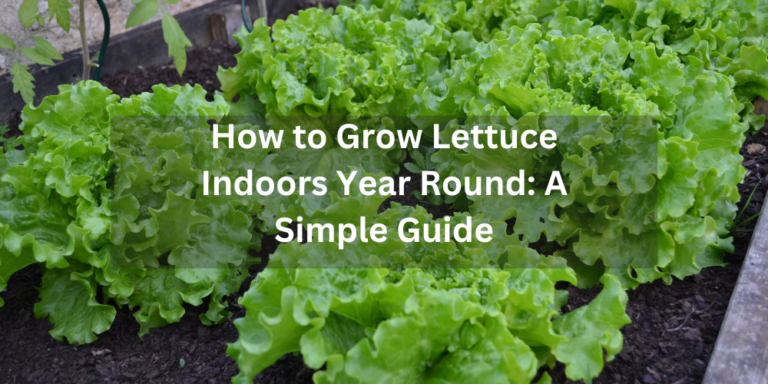
- Lettuce and salad greens: 6 to 8 inches
- Radishes: 6 to 8 inches
- Herbs like basil and cilantro: 6 to 8 inches
- Spinach: 6 to 8 inches
These plants have shallow, spreading roots, so they do not need extra depth. A shallow bed is also lighter, cheaper to fill, and easier to move if needed.
Practical Depth for Medium-Root Vegetables
Many popular garden vegetables fit this category. That’s why experts recommend a raised bed depth of 12 to 18 inches.
- Peppers: 12 to 18 inches
- Bush beans: 12 to 18 inches
- Broccoli and cabbage: 12 to 18 inches
- Cucumbers: 12 to 18 inches
This range lets roots breathe. It needs less soil, too. This keeps your project budget-friendly.
Smart Depth Choices for Deep-Root Vegetables
Some plants simply need more room. Skimping here often leads to smaller yields and weaker plants.
- Tomatoes: 18 to 24 inches
- Carrots and parsnips: 18 to 24 inches
- Potatoes: 18 to 24 inches
- Asparagus: 24+ inches
Try this today: group deep-root plants and shallow-root plants into different beds. This helps you avoid overbuilding or underbuilding any type.
After you know how deep to plant, think about other factors. They can affect your choice, too.
Essential Factors That Affect Ideal Bed Depth
Plant type is not the only thing that determines how deep should a raised garden bed be. Other practical factors are important. If you ignore them, you might get bad drainage. You could also waste materials.
Reliable Ground Soil Quality
If your soil is healthy and drains well, you can build a shallower bed. Roots will grow down into the ground below. This is common in many New York suburbs where the native soil is decent.
If your yard has heavy clay, rocky soil, or poor drainage, aim for a deeper bed. A depth of about 18 inches will give roots enough space above the problem soil.
- Test your soil with a simple shovel dig before building
- Look for compacted, gray, or rocky layers
- Note how quickly water drains after rain
Functional Space and Accessibility Needs
Some gardeners choose deeper beds, like 24 to 30 inches, simply for comfort. This height lowers the need to bend or kneel. This is important for older adults or anyone with back or knee problems.
I recently helped a retired couple in Staten Island. We built a 28-inch bed for them. This way, they can garden while sitting on the edge. It made gardening enjoyable again instead of painful.
Budget-Friendly Material Considerations
Deeper beds require more lumber, more soil, and more money. A 24-inch deep bed can cost almost twice as much as a 12-inch bed. This is based on common estimates from retailers like Home Depot.
Try this today: calculate how much soil you need. Use length, width, and depth in feet. Do this before you buy materials.
These factors help you choose a depth for your body, budget, and yard. Then, it’s easier to pick the right materials.
Proven Materials for Building the Right Depth
The material you pick affects how easily you get your desired depth. It also impacts how long your raised bed will last outside.
Trusted Wood Options for Standard Depths
Untreated cedar and redwood are popular choices. They resist rot naturally and are safe for growing food. These woods work well for beds up to about 24 inches deep without needing extra bracing.
- Cedar: durable, naturally rot-resistant, moderate cost
- Redwood: similar durability, often pricier
- Pine (untreated): budget-friendly but shorter lifespan
Reliable Metal and Composite Choices
Galvanized steel beds are very popular in the United States. They last for decades and keep their shape well, even in tall designs of 24 to 36 inches.
Composite materials, which often use recycled plastic, are durable. They won’t warp, crack, or attract pests.
Smart Structural Support for Deeper Beds
Once your bed depth passes 18 inches, structural support becomes important. Without it, soil pressure can bow or crack the walls over time.
- Add corner braces at every joint
- Use vertical support posts every 3 to 4 feet
- Reinforce with a center crossbeam for beds wider than 4 feet
Try this today: add corner bracing to any “simple” project. It helps avoid costly repairs later.
Pick the right material for your bed. Drainage is key. It helps protect your investment over time.
Smart Drainage Tips for Deeper Beds
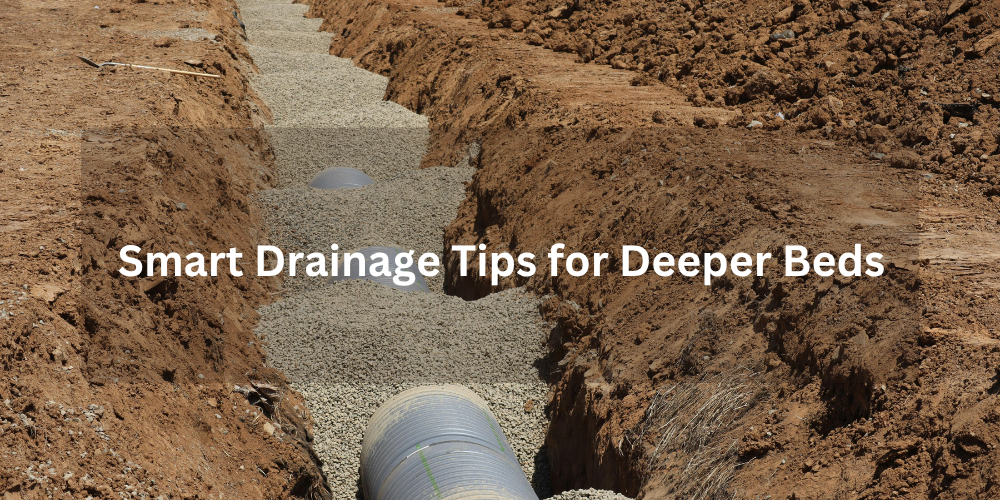
Depth and drainage go hand in hand. A deep bed with poor drainage can hurt your plants. In fact, it can do more harm than a shallow bed with good drainage.
Essential Drainage Layer Basics
For beds 18 inches deep or more, many gardeners add a drainage layer. They use coarse gravel or broken pottery at the bottom. This helps excess water escape instead of pooling around roots.
- Add a 1 to 2 inch gravel layer for beds over 18 inches deep
- Skip this step for shallow beds under 12 inches
- Always place beds on soil, not solid concrete, when possible
Practical Ground Contact Considerations
If your raised bed is on native soil, water drains down naturally. This cuts down on the need for extra drainage layers, even in deeper beds.
When placing a bed on a patio or deck in Queens, New York, make sure to drill drainage holes in the base. Water needs a way to escape.
Try this today: add a few extra drainage holes, even if your bed has some. More airflow is usually a good thing.
Good drainage protects the depth you’ve built. Now, the next step is to find an affordable way to fill that space.
Budget-Friendly Ways to Fill a Deep Raised Bed
Filling a deep bed with 100% bagged soil can get expensive fast. Fortunately, there are proven, budget-friendly methods that work just as well.
Trusted Hugelkultur-Style Layering
This method takes cues from traditional European gardening. First, fill the bottom of deep beds with logs, branches, and organic debris. Then, add soil on top.
- Bottom layer: logs and branches
- Middle layer: leaves, straw, or compost
- Top layer: 8 to 12 inches of quality garden soil
This method is great for beds 18 inches deep or more. It saves money and boosts soil health as the wood breaks down over time.
Reliable Soil Mix Ratios
For the top growing layer, a common and effective mix includes:
- 40% high-quality topsoil
- 30% compost
- 30% aeration material like perlite or peat alternatives
This mix is effective throughout the USA. It offers great nutrition for vegetables, no matter how deep they grow.
Try this today: contact a local landscaping supplier. Many in New York offer bulk soil delivery. It costs much less per cubic foot than buying bags.
Properly filling your bed helps your plants thrive at the right depth. Still, even careful gardeners can make mistakes. Here are some to avoid:
Common Mistakes That Waste Money and Time
Even good gardeners can have problems. This happens when they pick how deep to make a raised garden bed. Knowing these mistakes ahead of time can save real money.
Frequent Overbuilding Errors
Building a bed too deep for your plants wastes soil and money. A 24-inch bed for lettuce, for example, is unnecessary and costly.
- Match depth to your actual plants, not a general guess
- Avoid copying bed depths from unrelated climates or soil types
- Reassess yearly if you change what you grow
Costly Underbuilding Errors
On the other hand, planting too shallow limits root growth. This can lower harvests. It is especially bad for tomatoes, carrots, and potatoes.
A community garden project in the Bronx once built all its beds at a uniform 8 inches to save money. Root vegetables struggled significantly compared to nearby 18-inch beds.
Try this today: if you are unsure, 12 to 18 inches is a safe, flexible depth for most home gardens in the USA.
Avoiding these mistakes helps you get more from your raised bed. Plus, some advanced tips can improve your results even more.
Advanced Tips for Maximizing Root Growth
Once you know the basics, use advanced strategies. They can boost your results with raised bed depth.
Proven Companion Depth Planning
Experienced gardeners make beds with different depths. They use dividers to create a shallow spot for herbs. They also make a deeper area for tomatoes.
- Use a wooden divider to separate zones
- Keep shallow-root and deep-root plants from competing
- Label each zone to track soil needs over time
Smart Seasonal Depth Adjustments
Soil compacts over time. It also settles naturally. This lowers your usable depth each year. Topping off with 2 to 3 inches of fresh compost annually keeps your original depth intact.
Try this today: mark your soil level inside your bed frame. This way, you can track how much it settles each year.
These advanced techniques help skilled gardeners use every inch better. They share what you need to know before building.
**Quick Summary:** The depth of a raised garden bed depends on three things: your plants, soil, and budget. Most home gardens do well with 12 to 18 inches, while deep-rooted crops need closer to 24 inches. Drainage, materials, and smart filling methods all play a role in long-term success.
Key Points Covered:
- Ideal general depth range: 12 to 18 inches
- Shallow beds work for herbs and greens
- Deep beds support tomatoes, carrots, and potatoes
- Drainage and soil quality affect final depth choice
- Budget-friendly filling methods reduce overall cost
Frequently Asked Questions
How deep should a raised garden bed be for tomatoes? Tomatoes need at least 18 to 24 inches of soil depth. Their roots grow deep and wide, so shallow beds often lead to weaker plants and smaller harvests. A deeper bed keeps moisture longer. Tomatoes love this, especially in hot summer months.
What is the minimum depth for a raised garden bed? Most experts say 6 inches is the minimum depth. This is only for shallow-root plants, like lettuce or herbs. For general vegetable gardening, a minimum depth of 12 inches is safer. This depth supports a wider variety of plants.
Can a raised garden bed be too deep? Yes, a bed can be unnecessarily deep if it exceeds what your plants actually need. This wastes soil and adds cost. It provides no real benefit beyond 24 inches for most home vegetable gardens.
Is 12 inches deep enough for a raised garden bed? For many popular vegetables like peppers, beans, and cucumbers, 12 inches is enough. Deep-rooted crops, such as carrots and tomatoes, need good soil depth. They do best with 18 to 24 inches of soil.
How deep should a raised garden bed be if built on concrete or a patio? On concrete, aim for at least 18 inches since roots cannot reach into the ground below. Good drainage holes are essential in this setup to prevent water from pooling at the base.
Conclusion
So, how deep should a raised garden bed be for your yard? For the best balance of healthy roots, low cost, and easy care, aim for 12 to 18 inches. If you’re growing deep-rooted veggies, like tomatoes or carrots, plan for 18 to 24 inches.
Remember the couple in Brooklyn from earlier in this post. They switched to an 18-inch bed. Their tomato harvest nearly doubled the next season. That is the real difference the right depth can make.
Here are three key points to remember:
- Match your bed depth to what you’re growing.
- Test your native soil before choosing depth.
- Always plan for good drainage, no matter how deep you build.
Raised bed gardening should feel rewarding, not stressful. Plan well and find the right depth to ensure a fun and productive growing season.
Try building your next raised bed this weekend, and share a photo of your progress in the comments. If this guide helped you, bookmark it for future garden projects.