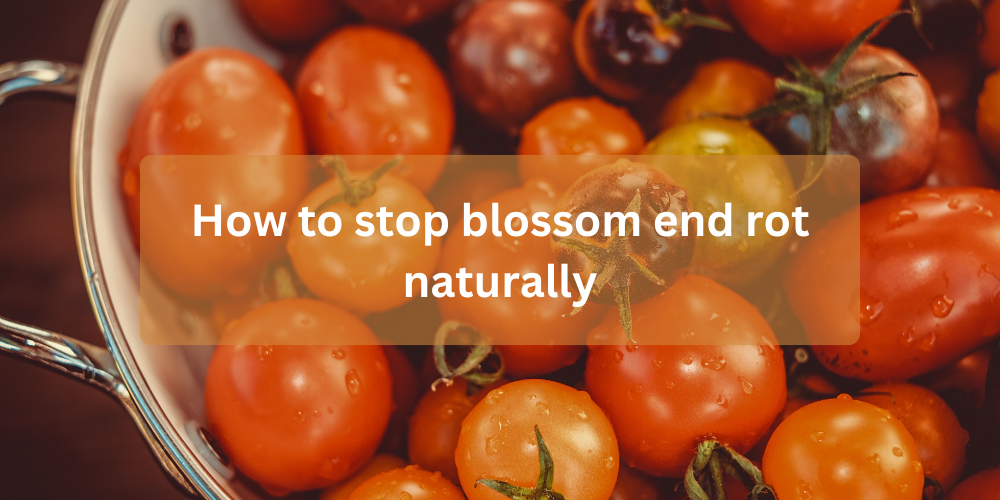
How to stop blossom end rot naturally

Nothing is more frustrating than watching a tomato ripen only to find a dark, sunken spot on the bottom. That’s blossom end rot. You can stop it. This can save your harvest. The good news is that it’s very fixable once you understand the real cause.
I’m Ethan Brooks. I help people in New York. and this time i will help you to How to stop blossom end rot naturally. I fix garden problems in backyards. I’ve done this for years. blossom is a common problem in home tomato beds. It usually comes from a lack of calcium and water, not from diseases or pests.
This post is part of our larger resource, the Complete Garden Guide. For the full guide on tomatoes and peppers, check the post. It includes how to plant and harvest. Here, we’re focused on solving one specific, common problem.
Many gardeners assume blossom end rot means their soil lacks calcium entirely. In reality, most soil in the USA has enough calcium already. The main problem is uneven watering. This stops the plant from moving calcium. It can’t deliver calcium where needed.
In this guide, learn what causes blossom end rot. Find fixes that really work. Get tips to stop it from coming back. We’ll talk about watering. Next, we’ll cover eggshells. Then, we’ll discuss calcium boosts. We’ll also look at mulching. Soil pH is important too. Finally, we’ll share container tips.
Key Takeaways
- Fix calcium uptake to stop blossom end rot. Adding calcium won’t help.
- Uneven watering is one of the biggest hidden causes of blossom end rot.
- Eggshells, crushed limestone, and consistent mulching all help prevent the problem.
- Soil pH between 6.0 and 6.8 helps tomato roots absorb calcium properly.
- Small daily habits work better than one big fix after the rot appears.
What Causes Blossom End Rot in Tomato Plants
To stop blossom end rot, you need to know why it happens. Start by learning the cause. Blossom end rot isn’t a disease. It’s a calcium delivery problem inside the plant itself.
Tomato plants move calcium through water, from the roots up to the fruit. Cornell Cooperative Extension says uneven watering causes blossom end rot. This is common in Northeast gardens.
When soil dries out, it then floods. This stops calcium movement. The fruit at the bottom of the plant, farthest from the roots, suffers first. This is why the rot almost always shows up on the blossom end, not the stem end.
Common triggers include:
- Irregular watering, especially dry spells followed by heavy watering
- Root damage from aggressive weeding or transplanting
- Excess nitrogen fertilizer, which speeds up leafy growth over root development
- Low soil calcium, though this is less common than watering issues
To fix this problem, start by watching how you water. Don’t just add more calcium to the soil.
Start tracking your watering schedule today, even a simple notebook helps!
Let’s look at the single most effective fix first.
Consistent Watering: The Simple Fix Most Gardeners Miss
If you only fix one thing, fix your watering routine. This is the best way to stop blossom end rot. Many universities in the USA say this.
Tomato plants prefer deep, even watering rather than frequent light sprinkles. Shallow watering keeps roots near the surface. This makes the plant sensitive to dry spells.
A simple watering routine that works:
- Water deeply 2 to 3 times per week instead of daily light watering
- Water at the base of the plant, not overhead, to reduce disease risk
- Aim for about 1 to 1.5 inches of water per week, including rainfall
- Use a rain gauge or simple container to track weekly totals
Gardeners in hot, dry areas like Texas or Arizona often deal with more blossom end rot. This is especially true during heat waves. The soil dries out quickly in these conditions. New York gardeners see it more after sudden summer storms following a dry stretch.
You can get a drip irrigation system at Home Depot. It waters your plants. You don’t have to water every day. Even a simple soaker hose on a timer makes a big difference.
Try switching to deep watering twice a week and watch your fruit improve!
Once your watering is consistent, calcium can move through the plant the way it’s supposed to.
Powerful Eggshell and Calcium Boosts
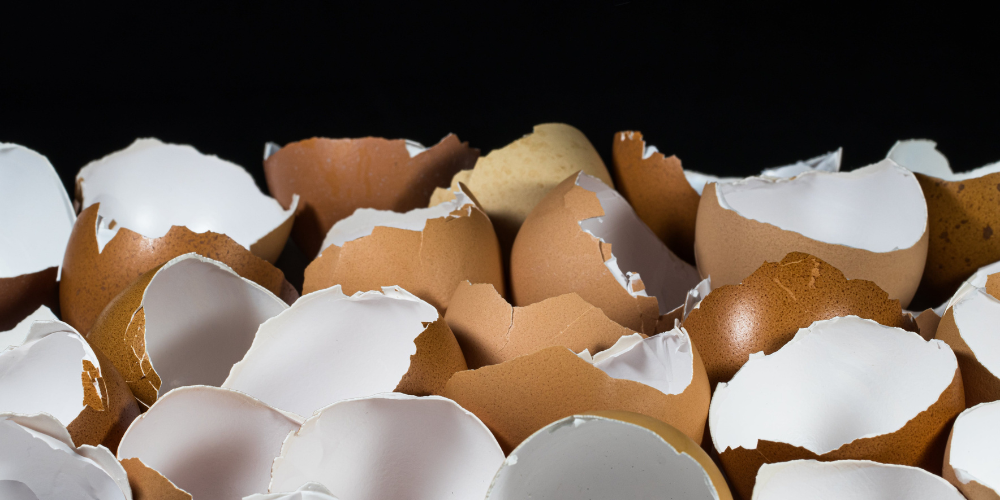
Even with perfect watering, some soil genuinely benefits from an extra calcium boost. Eggshells are one of the easiest natural ways to add calcium back into your garden bed.
Eggshells have calcium carbonate. It breaks down slowly. This helps the soil. It takes weeks, not just one time. This slow release fits well with how tomato plants actually absorb nutrients.
How to use eggshells for blossom end rot:
- Crush shells into small pieces or grind into a fine powder
- Mix crushed shells into the soil at planting time
- For faster results, steep shells in water for 48 hours and use the liquid to water plants
- Repeat every few weeks throughout the growing season
Get a soil test kit at Lowe’s. It shows if your soil needs calcium. Test it before you add more. Many home gardens already have enough.
Crushed limestone is garden lime. It offers quick calcium. Gardeners prefer it over eggshells.
Add crushed eggshells to your next planting hole and give your soil a head start!
Once calcium levels are covered, mulching helps lock everything in place.
Smart Mulching to Lock In Moisture
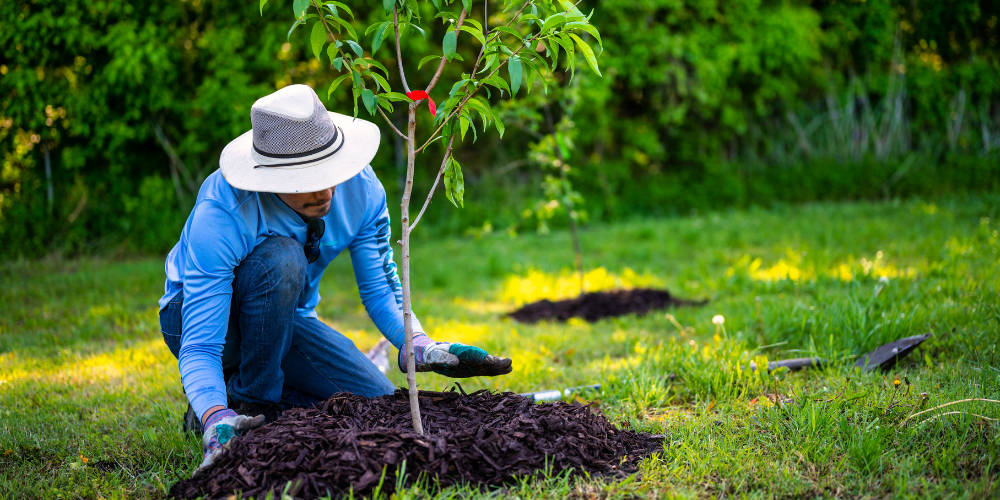
Mulch plays a bigger role in stopping blossom end rot than most home gardeners realize. It keeps soil moist. This helps calcium move steadily in the plant.
Soil dries out quickly in direct sunlight without mulch. This is especially true in summer months across much of the USA. This creates the exact dry-then-flood pattern that triggers blossom end rot.
Best mulch options for tomato plants:
- Straw, which is affordable and breaks down slowly
- Shredded leaves, especially useful for gardeners who already rake leaves each fall
- Wood chips, though these work best around established plants rather than seedlings
- Black plastic mulch, popular with commercial growers for heat retention
Apply mulch in a layer about 2 to 3 inches deep, keeping it a few inches away from the plant stem to avoid rot at the base.
The University of Massachusetts Extension says mulching is easy. It keeps soil moisture steady in vegetable gardens at home.
Add a layer of mulch around your tomato plants this weekend and see how much less you need to water!
With moisture under control, soil pH is the next piece of the puzzle.
Balanced Soil pH for Better Calcium Absorption
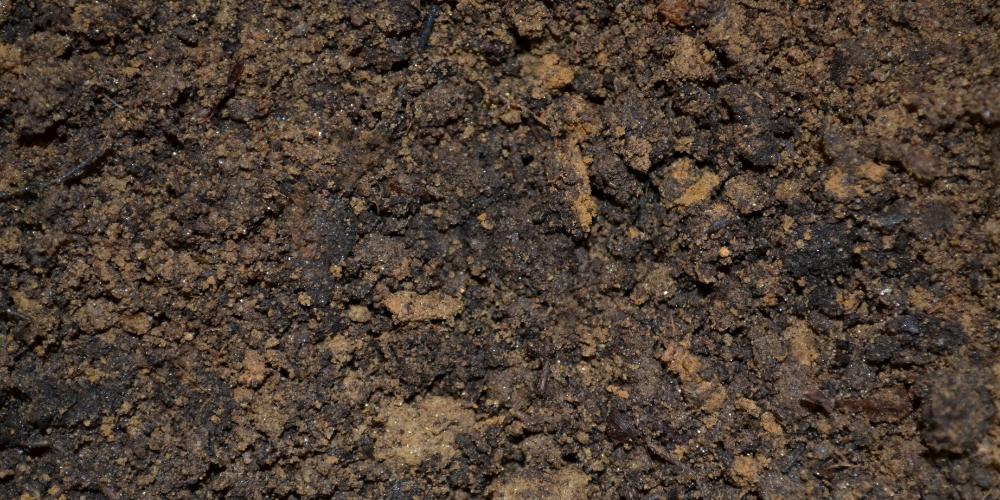
Even with enough calcium in the soil, tomato plants can’t use it if the pH is off. This is a step many home gardeners skip when learning how to stop blossom end rot naturally.
Tomatoes absorb nutrients best when soil pH sits between 6.0 and 6.8. Outside this range, calcium becomes harder for roots to take in, even if plenty is available.
How to check and fix soil pH:
- Use a simple soil pH test kit or meter, widely available at garden stores
- If soil is too acidic (below 6.0), add garden lime to raise the pH
- If soil is too alkaline (above 6.8), add sulfur or organic compost to lower it
- Retest every few months during the growing season
Many gardeners in the Northeast, like in New York and New England, have acidic soil. This is due to the rain in the area. This makes pH testing especially useful in these areas.
Fixing pH takes a while. You may wait weeks for results. Be patient.
Test your soil pH this month if you haven’t already, it’s a small step with a big payoff!
Container gardeners have a different challenge. We will talk about it next.
Proven Container Gardening Fixes
Tomatoes grown in containers or raised beds face blossom end rot more often than those in the ground. Containers dry out faster, making consistent watering even more critical.
Bagged potting soil has almost no calcium. Garden soil has plenty. This makes it tough.
Container-specific tips:
- Choose containers at least 5 gallons in size to reduce how fast soil dries out
- Water tomatoes daily when it’s hot. Check the soil with your finger.
- Mix crushed eggshells or a calcium-rich amendment into potting soil before planting
- Use a moisture-retaining potting mix designed for vegetables
Balcony and patio gardeners in cities like Chicago and New York struggle more. They have more challenges than backyard gardeners do. They have less soil. Hard surfaces get more sun.
You can buy self-watering containers at garden centres. They keep tomatoes wet.
Check your container soil moisture daily this week, especially during hot stretches!
Here are some easy habits to stop blossom end rot from coming back. You can use these tips every season.
Effective Long-Term Prevention Habits
Stopping blossom end rot once is good. Keeping it from returning next season is even better. A few consistent habits make the biggest long-term difference.
Habits that prevent blossom end rot year after year:
- Test soil pH and calcium levels at the start of each growing season
- Set up a consistent watering system before planting, not after problems appear
- Rotate tomato planting locations each year to avoid depleting the same soil
- Add compost each season to improve overall soil structure and water retention
Crop rotation is common in US farming. It keeps nutrients from running out. It also lowers disease risk over time.
Keeping a simple garden journal is helpful. Just a few notes on your phone can track what worked and what didn’t each year.
Plan your watering and soil care routine now. Do it before you plant next season’s crops!
These habits help home gardeners. Blossom end rot drops a lot. It might even go away.
Frequently Asked Questions
Still have questions about how to stop blossom end rot naturally? Here are quick answers to the ones home gardeners ask most.
How do you stop blossom end rot naturally?
The best natural solution is to water deeply and regularly. You can also add crushed eggshells for calcium. Mulching helps keep soil moist. This supports steady calcium movement to the fruit. Testing and correcting soil pH completes a natural approach. Calcium only helps if the plant can absorb it.
What is the fastest home remedy for blossom end rot?
Changing your watering schedule can give quick results. You might see changes in one to two weeks. A calcium spray can help quickly. You can use diluted eggshell or crushed limestone. This is faster than soil amendments alone. However, prevention through steady watering remains the most reliable long-term fix.
Does Epsom salt help with blossom end rot?
Epsom salt adds magnesium, not calcium, so it doesn’t fix blossom end rot. In fact, it can sometimes make the problem worse. Magnesium and calcium compete for uptake in plant roots. It’s better to focus on calcium sources. Also, water your plants regularly. Don’t rely on Epsom salt for this issue. Can you fix blossom end rot on the same tomato?
No, once a tomato shows blossom end rot, that specific fruit will not recover. The damage is already done at the cellular level. Future tomatoes on the same plant can grow healthy again. Just fix the watering and calcium issues, and the problem will end.
How to stop blossom end rot naturally in container-grown tomatoes?
Container tomatoes need watering checks more often. The soil dries out faster than in-ground beds. Mixing crushed eggshells into potting soil at planting time helps a lot. Also, using containers that are at least 5 gallons in size makes a big difference. Check the moisture every day. It matters a lot for container gardeners in hot weather.
Quick Summary
To stop blossom end rot, focus on two fixes. Water your plants regularly. Also, boost calcium absorption. Eggshells, mulching, and balanced soil pH all support this process. Container gardeners must pay close attention to watering. Soil in pots dries out faster than it does in the ground.
Key Points Covered
- Blossom end rot is caused by inconsistent calcium delivery, not just low calcium
- Deep, consistent watering is the single most effective natural fix
- Eggshells and crushed limestone offer slow, steady calcium support
- Mulching helps maintain even soil moisture levels
- Container-grown tomatoes need more frequent watering attention
Conclusion
Blossom end rot is frustrating when you first notice it. However, it’s one of the easiest problems to fix in a home tomato garden. To stop blossom end rot naturally, water your plants consistently. Make sure their roots get what they need to move calcium well.
I’ve helped many New York homeowners with this fix. Results usually show up in a few weeks. Just change their watering routine. It’s rarely about buying more products.
It’s all about forming steady habits. Here are three key tips:
- Water deeply and consistently.
- Add a slow-release calcium source, like eggshells.
- Use mulch to keep soil moisture in.
These three steps can fix most blossom end rot cases in home gardens. So, try changing your watering schedule this week. Then, watch your next batch of tomatoes closely. Bookmark this guide for next season. Share it with a gardener who has the same tricky spots on their fruit. A little consistency now means a much better harvest ahead.