Best companion plants for tomatoes in raised beds

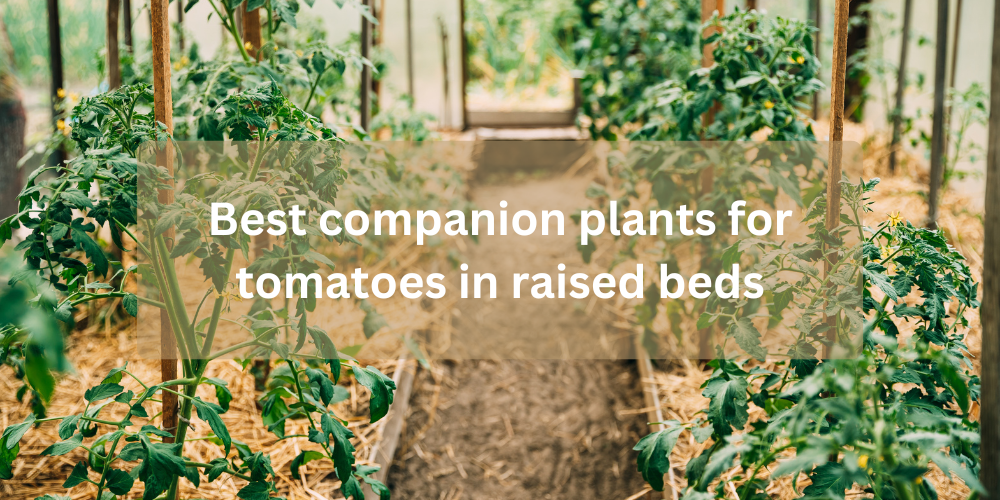
If your tomatoes look a little tired every summer, the plants growing next to them might be the reason. Choose the best plants for tomatoes in raised beds. This boosts flavor. It also fights pests and helps plants grow healthy.
I’m Ethan Brooks. My main focus is garden decoration and repair in New York. Raised beds are a common feature I build and maintain for homeowners. A well-planned raised bed isn’t just about looks. It’s about what you plant together and why.
This guide shows you how to pair tomatoes with the best neighbours in a raised bed. You’ll learn about plants that help tomatoes. Some plants compete for space and nutrients. You’ll also see how to set up a raised bed for the best results. By the end, you’ll have a clear plan for a healthier, more productive tomato patch this season.
Key Takeaways
- The best companion plants for tomatoes in raised beds help them grow better. They also improve flavour and keep pests away.
- Basil, marigolds, and carrots are among the most reliable raised bed partners.
- Avoid planting corn, potatoes, and fennel near tomatoes in tight raised bed spaces.
- Raised beds reward smart spacing, since roots compete more in a confined area.
- Rotating companion crops each season keeps raised bed soil healthier long term.
Best Companion Plants for Tomatoes in Raised Beds
Companion planting is when you grow certain plants together. They help each other grow better. In raised beds, space is tight. So, picking the best companion plants for tomatoes is more important than in open garden rows. The USDA says raised bed gardening is getting more popular in the USA. It’s easier to manage pests and has better drainage. Smart pairing can reduce pest pressure, improve pollination, and even boost tomato flavor. Let’s break down exactly which plants earn a spot next to your tomatoes, and which ones don’t.
1. What Makes a Good Companion Plant for Tomatoes
Not every plant works well next to tomatoes. Good companions do three things. They repel pests. They enrich soil. They also avoid competing for nutrients.
Tomatoes need lots of nutrients. They do well with plants that have different roots. These plants should need less.
- Look for plants that repel common tomato pests naturally
- Choose companions with different root depths to reduce competition
- Avoid heavy feeders that compete for the same nitrogen and potassium
- Consider mature plant height so taller plants don’t block sunlight
I helped design a raised bed in Brooklyn. We planted shallow-rooted herbs next to tomato plants. The homeowner saw fewer aphid problems in just a few weeks.
Today, draw your raised bed layout first. Then, group plants that grow well together.
Next, let’s start with the most classic tomato companion of all: basil.
2. Basil: The Classic Tomato Partner
Basil is one of the most trusted companion plants for tomatoes, and for good reason. It’s easy to grow and pairs well in tight raised bed spaces.
Gardeners say basil helps tomatoes taste better. Its main benefit is that it keeps pests away.
- Basil’s strong scent helps repel whiteflies and aphids
- Plant basil about 12 inches from tomato stems
- Harvest basil leaves regularly to keep growth compact
- Use both plants together in summer kitchen recipes
Better Homes and Gardens loves basil. It’s great with tomatoes in raised beds. Basil keeps pests away. That’s why home gardeners like it.
Try this today: tuck a few basil seedlings around your existing tomato plants this week.
Next, let’s look at a flower that does even more heavy lifting against pests.
3. Marigolds for Natural Pest Control
Marigolds are excellent companion plants. They are especially useful in raised beds. They help control pests that can build up in tight soil.
Their roots release compounds that help control harmful nematodes in the soil. This is a big issue in many home gardens across the USA.
- French marigolds are the most effective variety for nematode control
- Plant marigolds along the border of the raised bed
- Their bright blooms also attract beneficial pollinators
- Deadhead spent blooms to encourage continuous flowering
Cornell says marigolds are good. They help gardens. They fight pests.
Try this today: add a border row of marigolds around your tomato raised bed this weekend.
Now let’s move below the soil surface to root vegetables that pair surprisingly well.
4. Carrots and Onions Below the Surface
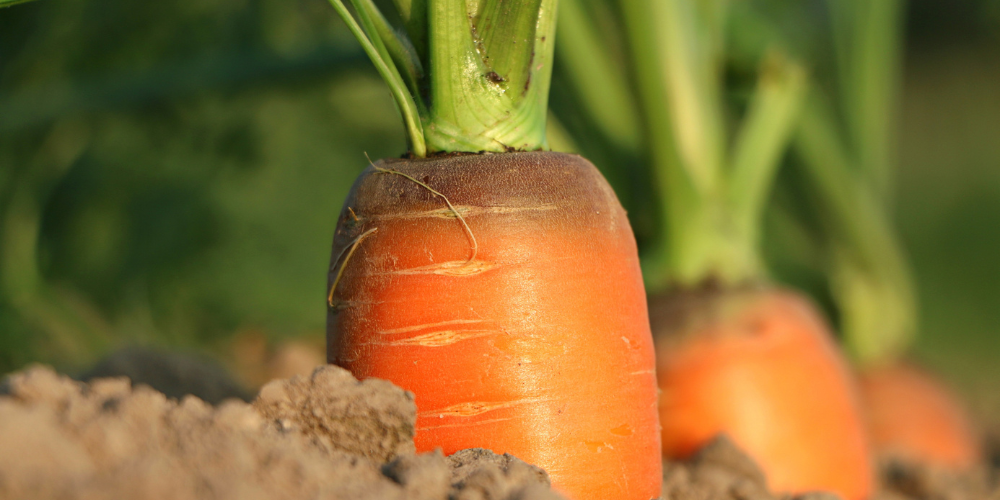
Root vegetables, like carrots and onions, fit well in raised beds. They grow underground. This keeps them away from tomato roots.
Onions are known to keep away some pests that often trouble tomato plants.
- Carrots loosen soil, improving drainage around tomato roots
- Onions and garlic help deter aphids and some beetles
- Plant root vegetables between tomato rows, not directly under them
- Harvest carrots before tomato plants fully mature and shade them out
In a Queens community garden, onions and tomatoes grew together for three seasons. This pairing led to fewer aphid clusters than in unpaired beds.
Try this today: tuck a few carrot or onion sets into open gaps around your tomato plants.
Next, let’s discuss leafy greens. They fill space well and don’t fight for nutrients.
5. Leafy Greens That Share Space Well
Leafy greens, such as lettuce and spinach, are great companions for tomatoes. They grow quickly and don’t compete much with tomato roots.
These greens grow well in the partial shade from taller tomato plants. This happens in midsummer.
- Lettuce matures fast, often before tomatoes need the extra space
- Spinach tolerates the light shade cast by growing tomato vines
- Plant leafy greens along the edges of the raised bed
- Succession plant lettuce every two weeks for continuous harvest
The National Gardening Association says lettuce is a good raised bed filler. It pairs nicely with taller plants, like tomatoes.
Try this today: sow a short row of lettuce seeds along your raised bed’s edge.
With the good pairings covered, let’s look at plants you should keep away from tomatoes.
6. Plants to Avoid Near Tomatoes
Some common vegetables can harm tomato growth if planted too close. This is especially true in the limited space of a raised bed.
Corn and tomatoes need the same nutrients. They can also attract the same pest, the tomato fruitworm.
- Avoid planting corn near tomatoes due to shared pest risk
- Keep potatoes separate, since both are prone to blight diseases
- Fennel releases compounds that can stunt tomato growth nearby
- Cabbage family plants often compete too heavily for nutrients
Gardeners in humid areas, like the Southeast, see more blight. This happens when they plant tomatoes and potatoes together. They do this in the same raised bed every year.
Try this today: move any potatoes or fennel to a separate bed away from your tomatoes.
Now let’s talk about how to actually space everything in a raised bed layout.
7. Smart Spacing in a Raised Bed
Even the best companion plants for tomatoes in raised beds can struggle if spacing is off. Raised beds have less room, so every inch counts.
Overcrowding cuts airflow. This raises the risk of fungal diseases. One example is early blight. It’s worse in humid summer weather.
- Space tomato plants at least 18 to 24 inches apart
- Leave 12 inches between tomatoes and taller companions
- Use vertical stakes or cages to save horizontal space
- Group shallow-rooted companions closer than deep-rooted ones
A typical 4×8 foot raised bed is common at Home Depot and other garden centres in the USA. It comfortably holds two to three tomato plants and their companions.
Try this today: measure your raised bed. Then, plan the spacing before adding new companion plants.
Let’s look at why changing your companions each season is key. It’s as important as picking them.
8. Rotating Companion Plants Each Season
Planting the same companions in the same spot every year can drain nutrients. It also lets pests grow in the soil.
Rotating crops helps break pest cycles. Companion plants do too. They keep raised bed soil balanced.
- Move tomato plants to a different bed section each season if possible
- Alternate heavy feeders like tomatoes with light feeders like lettuce
- Add compost between seasons to replenish rotated soil
- Keep a simple garden journal to track what grew where
In the USA, extension services and state universities suggest rotating raised bed veggies. Change them every three years.
Try this today: jot down this year’s raised bed layout so you can rotate it correctly next season.
Here are answers to common gardening questions. We’ll talk about planting. We’ll cover spacing and rotation too.
Frequently Asked Questions
Got more questions about the best companion plants for tomatoes in raised beds? Here are the answers to what home gardeners ask most.
Got more questions about the best companion plants for tomatoes in raised beds? Here are the answers to what home gardeners ask most.
What are the best companion plants for tomatoes in raised beds?
Basil, marigolds, carrots, onions, and leafy greens help tomatoes grow. They do well together in raised beds. They help repel pests, use space efficiently, and avoid competing heavily for nutrients. Using a mix of companion plants is often better than just one. Each plant has its own benefits.
Can I plant flowers with tomatoes in a raised bed?
Yes, marigolds are a popular flower choice for tomato raised beds. They control bad soil nematodes. They attract pollinators. This helps fruits grow well. Nasturtiums are a great choice. They can trap aphids, keeping them away from your tomato plants.
Why shouldn’t I plant potatoes near tomatoes?
Potatoes and tomatoes belong to the same plant family and are both prone to blight diseases. Planting them close in a raised bed makes it easier for disease to spread. If one plant gets sick, the others can quickly catch it too. Keeping them in separate beds reduces this shared disease risk significantly.
How far apart should companion plants be from tomatoes?
Most companion plants thrive when they are about 12 inches from tomato stems. However, this can change based on the size of the plant. Taller companions need space. This stops them from shading tomatoes. Short herbs and greens can grow close together. Check the mature size of each plant. Do this before you finalise your raised bed layout.
Does companion planting really improve tomato flavor?
Some gardeners say tomatoes taste better with basil nearby. However, there isn’t much solid scientific proof for this. The clearer, proven benefits come from pest control and efficient use of raised bed space. Companion plants for tomatoes in raised beds help. They work well, even without extra flavour. They support a healthier harvest.
Quick Summary
Choosing the best plants for tomatoes in raised beds is important. The right partners help tomatoes thrive. Good companions can boost growth. They should:
- Repel pests
- Use space well
- Don’t compete for nutrients
Basil, marigolds, carrots, onions, and leafy greens all make strong choices. Avoid corn, potatoes, and fennel. Space your plants wisely to keep your raised bed healthy all year.
Key Points Covered
- Basil and marigolds offer strong pest control benefits
- Root vegetables like carrots and onions use space efficiently
- Corn, potatoes, and fennel should be kept away from tomatoes
- Proper spacing prevents fungal disease and overcrowding
- Rotating companions each season keeps soil balanced long term
Conclusion
Building a thriving raised bed comes down to more than just soil and sunlight. Choosing the right plants to grow with tomatoes in raised beds matters a lot. It can make your harvest healthier and more productive. It also helps keep pests away.
In this guide, we looked at helpful companions. They are basil, marigolds, carrots, and leafy greens. We also noted plants to avoid, such as corn and potatoes. Smart spacing helps. Rotating crops each season is also key. Together, they ensure long-term success in raised beds.
Here are three key tips to remember:
- Pair tomatoes with plants that repel pests, like basil and marigolds.
- Keep competing plants, such as potatoes and fennel, in a different bed.
- Rotate your companion layout each growing season.
I’ve seen this method succeed in raised beds I’ve helped design for homeowners in New York. Often, it leads to fewer pest problems in just one season. A little planning goes a long way.
Give these companion planting tips a try in your own raised bed this season. If this guide helped you create a healthier tomato patch, bookmark it for next year. Also, share it with a fellow gardener setting up their own raised bed.