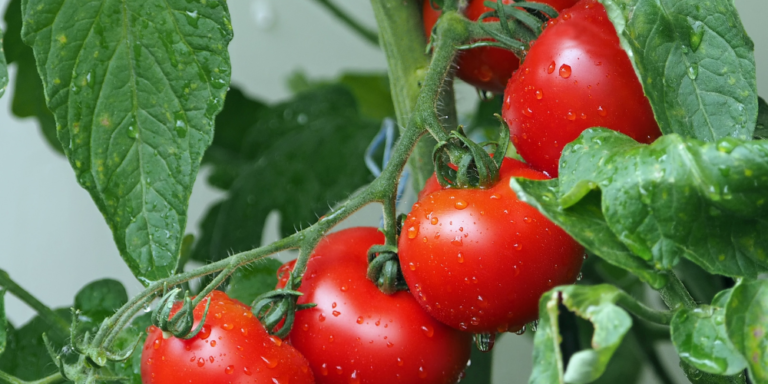
How to increase tomato yield naturally

Nothing beats biting into a warm, juicy tomato you grew yourself. But many home gardeners struggle with small harvests, no matter how much effort they put in. If you’ve ever wondered how to increase tomato yield naturally, you’re not alone.
I’m Ethan Brooks. I do garden decoration and repair. I’ve worked in backyards in New York and other places for years. I’ve seen homeowners save sad tomato plants. They grow strong, fruit-filled vines. They use only natural ways.
Take my neighbor in Brooklyn, for example. She had three tomato plants that barely produced a dozen tomatoes all summer. She changed her soil. She changed her watering. She fed her plants more. The next year, she got 80 tomatoes. That’s the kind of difference natural techniques can make.
This guide has all you need. It helps you choose a variety. It tells you when to harvest. Each tip is simple. They’re cheap. These come from real American backyards. You don’t need fancy tools or hard science.
Key Takeaways
- Use good soil for more tomatoes. Pick a great variety.
- Consistent watering prevents cracked fruit and boosts overall plant strength.
- Natural fertilizers like compost and Epsom salt feed plants without harsh chemicals.
- Pruning, staking, and pollination support can double your harvest size.
- Simple pest control and smart mulching protect your tomatoes all season long.
How to Increase Tomato Yield Naturally
Growing more tomatoes naturally isn’t about luck. It’s about giving your plants exactly what they need, when they need it. The USDA says home gardens grow millions of pounds of tomatoes each year. But many gardeners miss out on their plants’ full potential.
The good news is that small, consistent changes make a big difference. From soil health to sunlight, watering, and pest control, every step plays a role. Here are ten easy ways to grow more tomatoes. They are natural. Gardeners use these. No chemicals or costly tools are needed.
1. Choose the Right Tomato Varieties for Bigger Harvests
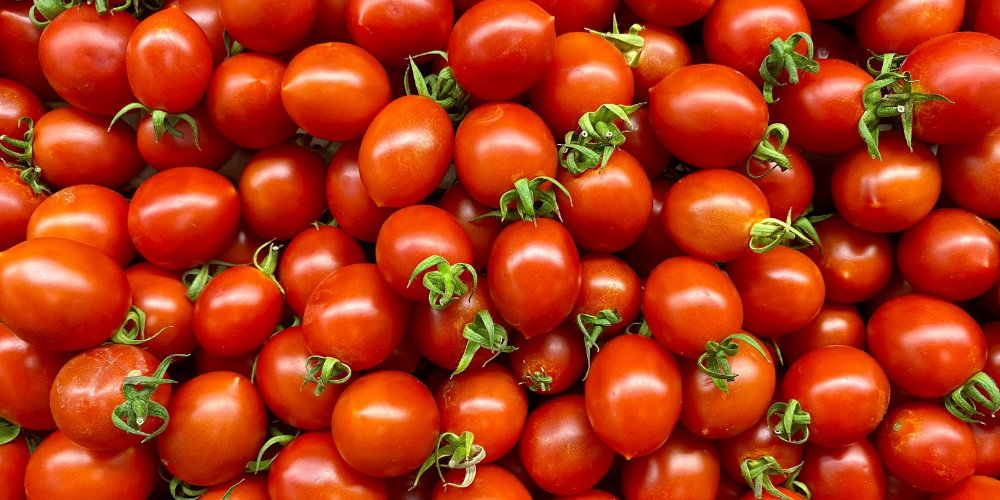
Not all tomato plants are created equal. Some varieties naturally produce more fruit than others, especially in American climates.
Indeterminate types, like Better Boy and Early Girl, keep growing. They make tomatoes all season long. Determinate varieties, like Roma, produce one large crop and then stop. For a better yield, choose indeterminate types. They’re the best option.
Here’s what to consider when picking a variety:
- Your local climate zone (check your USDA Hardiness Zone)
- Available garden space and sunlight
- Disease resistance, especially for humid areas
- Days to maturity, so you can plan your harvest
Homeowners in New York grew heirloom tomatoes. Now, they grow hybrids. They often pick Celebrity. Their yield is almost double. Garden centres in the Northeast sell local plants.
Try this today. Ask your local nursery which tomato grows best where you live. Make a wise choice at the start. It matters. This choice impacts everything else. Next, we’ll talk about soil preparation.
2. Prepare Nutrient-Rich Soil the Proven Way
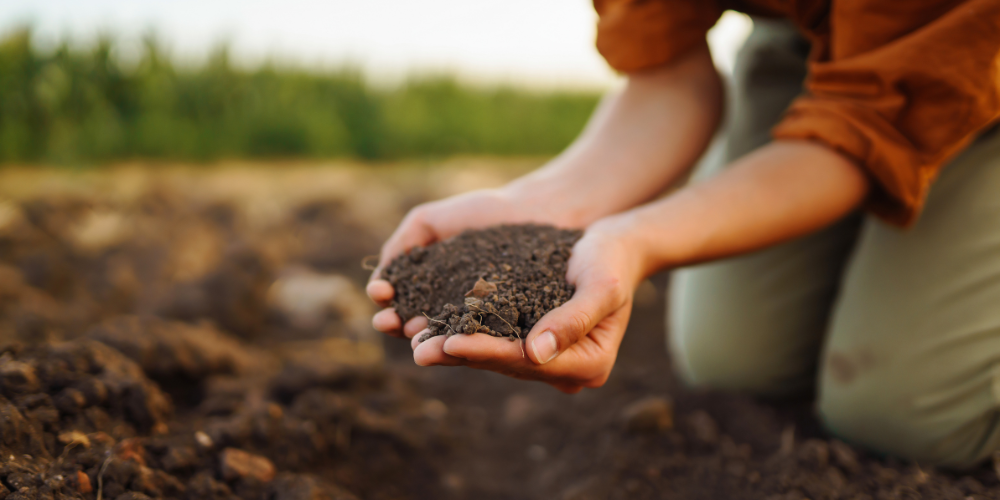
Healthy soil is the backbone of any high-yield tomato garden. Tomatoes are heavy feeders, meaning they pull a lot of nutrients from the ground.
Before planting, mix in generous amounts of compost or well-aged manure. This adds organic matter that improves drainage and feeds beneficial soil microbes. A soil pH between 6.2 and 6.8 works best for most tomato varieties grown across the USA.
Steps for building better soil naturally:
- Test your soil pH using a home kit
- Add compost or aged manure two weeks before planting
- Mix in crushed eggshells for extra calcium
- Avoid compacting the soil around root zones
Gardeners in states like California and Texas often use worm castings. Studies from Cornell University show these can greatly improve nutrient availability. This simple addition boosts both plant health and fruit production.
Rich soil grows big tomatoes. It stops rot too. When your soil is ready, water your plants. They need it.
3. Water Consistently for Maximum Tomato Production
Inconsistent watering is one of the biggest reasons tomato yields stay low. Plants that go from dry to soaked develop stress, which leads to cracked fruit and blossom drop.
Tomatoes need 1 to 1.5 inches of water each week. This info is from places like Penn State. During hot summer months, this may increase depending on your region.
Best watering practices include:
- Watering deeply at the base, not overhead
- Watering early morning to reduce evaporation
- Using a consistent schedule rather than random watering
- Avoiding wet foliage, which invites fungal disease
A soaker hose or drip irrigation system makes this much easier to manage. I set up drip systems for New York homeowners. Their tomato plants grew strong. The fruit looked good.
Consistency matters more than quantity. Watering regularly helps roots grow deep. Deep roots support natural fertilizing methods. We’ll talk about those next.
4. Feed Your Plants with Powerful Natural Fertilizers
Store fertilizers help. Natural ones are better. They make soil healthy. They also boost yields.
Compost tea, fish emulsion, and Epsom salt are popular. Many gardeners in America use them. Epsom salt has magnesium. Magnesium helps make chlorophyll. This can make plants greener. It also helps them grow better.
Natural fertilizing options to try:
- Compost tea every two to three weeks
- Fish emulsion during early fruiting stages
- Epsom salt diluted in water, applied monthly
- Banana peels buried near roots for potassium
The Old Farmer’s Almanac has long recommended banana peels as a natural potassium source, which supports strong root and fruit development. Many backyard gardeners in the Midwest still swear by this simple trick.
Try this today and see the difference: brew a batch of compost tea this weekend and apply it to your tomato beds. Once your feeding routine is set, proper pruning and support will help direct that extra energy toward fruit production.
5. Master Pruning and Support Techniques
Pruning might feel intimidating, but it’s one of the simplest ways to boost yield naturally. Removing suckers, the small shoots between the main stem and branches, redirects energy toward fruit instead of extra foliage.
Proper staking or caging also keeps plants upright, improving air circulation and sunlight exposure. This reduces disease risk while helping fruit ripen more evenly.
Helpful pruning tips:
- Remove suckers weekly during the growing season
- Prune lower leaves touching the soil
- Stake plants early to avoid root disturbance later
- Use soft ties to avoid damaging stems
Master Gardeners programs across the country, including several in New York State, teach this exact method to home growers. Homeowners who prune consistently often report noticeably larger tomatoes by midsummer.
A well-supported, properly pruned plant channels its resources efficiently. This groundwork sets the stage for the next crucial factor: pollination, which directly determines how much fruit actually forms.
6. Boost Pollination for Explosive Fruit Set
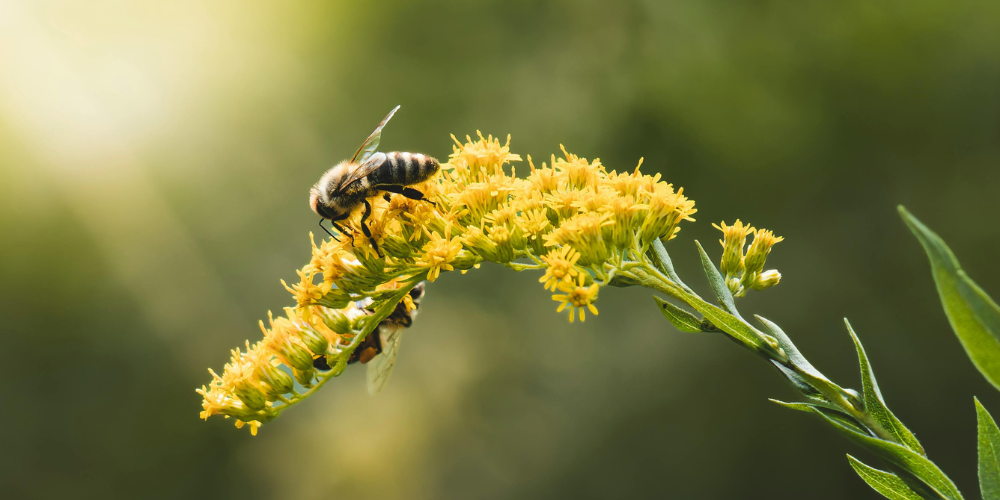
Even healthy tomato flowers won’t turn into fruit without proper pollination. While tomatoes are self-pollinating, wind and vibration play a major role in helping pollen transfer.
In backyard gardens with limited airflow, especially near fences or walls, pollination can suffer. This is a common issue I’ve seen in tightly spaced New York City gardens.
Ways to naturally improve pollination:
- Gently shake flowering stems every few days
- Use a small handheld fan on calm days
- Plant flowers nearby to attract bees
- Avoid pesticides that harm pollinators
According to Michigan State University Extension, gentle vibration can significantly improve fruit set in home gardens. This costs nothing and takes just a few minutes each week.
More successful pollination means more tomatoes on the vine, plain and simple. Once flowers are setting fruit reliably, protecting those plants from pests becomes the next natural priority.
7. Protect Plants from Pests Using Simple Natural Methods
Pests can quietly destroy your yield before you even notice a problem. Aphids, hornworms, and whiteflies are common culprits across American gardens.
Natural pest control avoids harmful chemicals while still keeping plants safe. Many methods use ingredients already sitting in your kitchen.
Effective natural pest control methods:
- Neem oil spray for aphids and mites
- Handpicking hornworms in early morning
- Companion herbs like basil to repel pests
- Diatomaceous earth around the base for crawling insects
The National Pesticide Information Center notes that neem oil is widely used as a low-toxicity option for home gardens. It’s affordable, easy to apply, and safe around pets and children.
Regular inspection is just as important as treatment. Catching pests early prevents major damage, keeping your plants strong enough to support the companion planting strategies discussed next.
8. Use Companion Planting to Supercharge Growth
Companion planting is a time-tested, natural technique that improves plant health and yield without any added cost. Certain plants naturally repel pests or improve soil conditions when grown near tomatoes.
Basil, marigolds, and garlic are among the most popular companions for tomato plants in American gardens. These combinations have been used for generations by home growers nationwide.
Best companion plants for tomatoes:
- Basil, which may improve flavor and repel pests
- Marigolds, known for deterring nematodes
- Garlic, which helps repel aphids naturally
- Carrots, which don’t compete for nutrients
Clemson Cooperative Extension highlights companion planting as a practical, chemical-free way to support healthier vegetable gardens. It’s a strategy that costs little but pays off through fewer pest problems.
Pairing the right plants together creates a natural support system in your garden. This sets up perfectly for the next tip, using mulch to protect all that hard work.
9. Mulch Smartly to Lock In Moisture and Nutrients
Mulch does more than make your garden look tidy. It locks in soil moisture, regulates temperature, and slowly breaks down to feed your plants.
Straw, shredded leaves, and grass clippings are all excellent natural mulch options widely used across the United States. A good mulch layer reduces watering frequency and blocks weed growth.
Mulching best practices:
- Apply a 2 to 3 inch layer around plants
- Keep mulch a few inches away from stems
- Refresh mulch as it breaks down
- Avoid dyed or treated wood mulch near vegetables
Rutgers University research supports mulching as an effective way to conserve soil moisture in home vegetable gardens. This directly reduces plant stress, which often leads to better fruit production.
Mulching protects everything you’ve built so far, from healthy soil to consistent watering. With that protection in place, the final step is knowing exactly when to harvest for the best natural results.
10. Harvest at the Right Time for Best Results
Even with perfect care, poor harvest timing can waste your efforts. Picking too early or too late affects both flavor and future plant productivity.
Tomatoes should be harvested when they reach full color and give slightly under gentle pressure. Waiting too long can attract pests and slow down new fruit production.
Harvesting tips for better results:
- Pick tomatoes as soon as they ripen fully
- Harvest in the morning for best flavor
- Regular picking encourages more fruit production
- Store ripe tomatoes at room temperature, not the fridge
The University of Illinois Extension explains that timely harvesting signals the plant to keep producing new fruit throughout the season. Letting tomatoes overripen on the vine slows this natural cycle down.
Consistent, timely harvesting is the final piece of the puzzle. Combined with the previous nine tips, it completes a natural, effective system for maximizing your tomato yield all season long.
Frequently Asked Questions
Still have questions about how to increase tomato yield naturally? Here are answers to the most common questions home gardeners ask.
1. How can I increase tomato yield naturally without chemicals?
Focus on healthy soil, consistent watering, and natural fertilizers like compost tea or fish emulsion. Pruning suckers and supporting pollination also help significantly. Companion planting with basil or marigolds adds extra pest protection. Together, these habits create ideal growing conditions without synthetic products.
2. What is the best natural fertilizer for tomato plants?
Compost tea, fish emulsion, and Epsom salt are among the most effective natural fertilizers. Compost tea feeds soil microbes, while Epsom salt supports magnesium levels for healthier leaves. Applying these every two to three weeks during the growing season often produces noticeable results.
3. How often should I water tomato plants for maximum yield?
Most tomato plants need about 1 to 1.5 inches of water weekly. Water deeply at the base rather than lightly overhead. Consistency matters more than volume, since irregular watering often causes cracked fruit and stunted growth.
4. Does pruning really help increase tomato yield naturally?
Yes, pruning redirects the plant’s energy toward fruit production instead of excess foliage. Removing suckers regularly also improves air circulation, which reduces disease risk. Many home gardeners notice larger tomatoes within weeks of starting a proper pruning routine.
5. Can companion planting really improve tomato harvests?
Companion planting can naturally repel pests and improve overall garden health. Basil, marigolds, and garlic are popular choices among American gardeners. While results vary by garden, many growers report fewer pest issues and healthier plants overall.
Quick Summary
Growing more tomatoes naturally comes down to consistent care across a few key areas. Healthy soil, steady watering, and smart natural fertilizing form the foundation. Pruning, pollination support, and pest protection help plants use their energy wisely. Add mulching and proper harvest timing, and you have a complete natural system for bigger yields.
Key Points Covered
- Choosing the right tomato variety sets the stage for success
- Rich, well-prepared soil fuels stronger, healthier plants
- Consistent watering prevents stress and cracked fruit
- Natural fertilizers and companion planting boost growth safely
- Timely harvesting keeps plants producing all season long
Conclusion
Learning how to increase tomato yield naturally doesn’t require expensive tools or harsh chemicals. It simply takes consistency, attention, and a willingness to work with your plants, not against them.
From my own experience working in gardens across New York, I’ve seen firsthand how small changes create big results. One homeowner in Queens went from a handful of tomatoes each summer to baskets full, simply by improving her soil and watering routine.
Here are three practical takeaways to start with today:
- Test and improve your soil before anything else
- Water consistently, rather than randomly
- Prune regularly and support pollination naturally
Every backyard garden is different, but these natural methods work across most American climates and conditions. Start with one or two changes this week, and build from there as your plants respond.
If this guide helped you, try applying these tips to your own garden this season. Bookmark this post, share it with a fellow gardener, and come back to check off each step as you go. Your best tomato harvest yet could be just a few natural changes away.