Best homemade fertilizer for tomato plants

To grow juicy, healthy tomatoes, focus on their food. What you feed them matters. Best homemade fertilizer for tomato plants. It helps yellow plants. They get stronger. They grow better. They make more fruit. You don’t need fancy store-bought bags to get there. Many kitchen scraps and household items work just as well.
I’m Ethan Brooks. I help homeowners in New York. I have done this for a long time. We make outdoor spaces nice together. I tried a lot of homemade fertilizer recipes. I used them in my tomato beds. Some worked wonders. Others were a waste of good coffee grounds.
This guide is part of our larger resource, the Complete Garden Guide. If you want the full picture on growing tomatoes and peppers in the USA, that pillar post is a great next stop. Here, we’re zooming in on one specific piece: making your own fertilizer at home.
Store-bought fertilizers can get expensive fast, especially if you’re growing several tomato plants. A bag of quality tomato fertilizer in the USA can run $15 to $25, and you’ll need more than one bag a season. Homemade options cost close to nothing and use things you’d normally throw away.
In this post, you’ll learn which homemade fertilizers actually work, how to make them, and when to use them. We’ll share recipes with eggshells. We’ll use banana peels. We’ll add coffee grounds. We’ll include Epsom salt and compost tea. You’ll get timing tips. You’ll see mistakes to avoid. You’ll find answers to common questions about gardening.
Key Takeaways
- The best fertilizer for tomatoes is simple. Use eggshells. Add coffee. Use banana peels. They help the plants.
- Tomatoes need calcium, potassium, and nitrogen at different growth stages.
- Compost tea and Epsom salt water are two of the easiest DIY fertilizers to make.
- Over-fertilizing can hurt your plants just as much as under-feeding them.
- Small, consistent feeding beats one big dose of fertilizer.
What Makes the Best Homemade Fertilizer for Tomato Plants
The best homemade fertilizer for tomato plants has three nutrients. They are nitrogen, phosphorus, and potassium. Tomatoes also need calcium to prevent blossom end rot, a common problem in home gardens. The USDA says tomatoes are popular. They grow well in gardens. So, it’s key to pick the right fertilizer.
Young tomato plants need more nitrogen to build leaves and stems. Once flowers and fruit appear, plants need more potassium and phosphorus instead. Using the same fertilizer the whole season can actually slow your harvest down.
Homemade fertilizers work because everyday kitchen waste is packed with nutrients. Eggshells hold calcium. Banana peels hold potassium. Coffee grounds add nitrogen as they break down. Mixing these into your soil or watering with them creates a steady nutrient supply.
Use one homemade fertilizer. Your plants will thrive!
Now let’s look at each recipe in detail, starting with one of the simplest.
Powerful Eggshell Fertilizer for Calcium
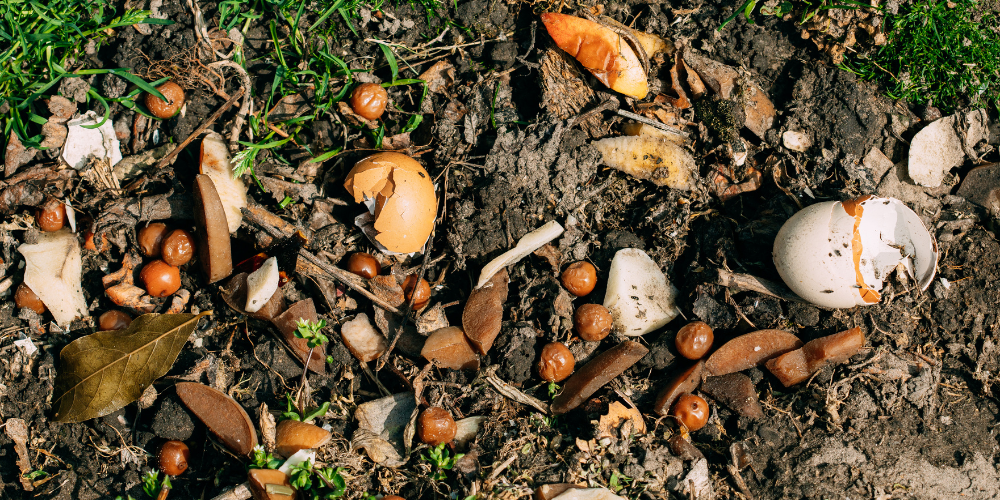
Eggshells help. They are good for tomatoes. They have calcium. Calcium makes tomato cell walls strong. This helps prevent blossom end rot. Blossom end rot causes a dark, sunken spot on the bottom of the fruit.
Home gardeners in New York and New Jersey often have soil that is low in minerals. This happens a lot in raised beds with bagged soil mixes. Adding eggshells helps fill that calcium gap naturally.
How to make eggshell fertilizer:
- Rinse and dry 10 to 12 eggshells
- Crush them into small pieces or grind into powder using a blender
- Sprinkle the crushed shells directly into the planting hole before transplanting
- Alternatively, steep shells in water for 24 to 48 hours, then use the water to feed plants
A Cornell study says low calcium causes blossom end rot. This lack of calcium leads to the problem. This often occurs in home tomato gardens. Adding eggshells early in the season helps prevent this issue before it starts.
Eggshells break down slowly, so this method works best as a long-term boost rather than a quick fix. For faster results, grind the shells into a fine powder instead of leaving them in chunks.
Give this a try before you plant your next tomato seedling!
This method works with a common kitchen scrap. People often toss banana peels.
Simple Banana Peel Fertilizer for Potassium
Banana peels contain potassium. Tomato plants need it. It helps roots grow strong. It also helps fruit grow better. Potassium helps plants fight disease. It also helps them deal with heat. It’s important during hot summers and dry times.
Two easy ways to use banana peels:
- Direct burial: Chop peels into small pieces and bury them a few inches deep near the base of your tomato plant
- Banana peel tea: Soak 2 to 3 peels in a jar of water for 2 to 3 days, then use the liquid to water your plants
Gardeners in the USA have used this trick for a long time. It works in Ohio backyards and Texas gardens. It’s cheap, effective, and reduces kitchen waste at the same time.
Banana peels have phosphorus. They have calcium too. Both are good for tomato plants. They add more than potassium.
Tip: Avoid whole peels on soil. They can attract pests. Plus, they take time to break down.
Make a simple fertilizer. Save your banana peel. Don’t toss it!
Next, let’s talk about a fertilizer. It’s something many coffee lovers keep in their kitchen.
Genius Coffee Ground Fertilizer for Nitrogen
Home gardeners use coffee grounds. They’re free and easy to find. They add nitrogen to the soil when they break down. Nitrogen helps tomato plants. It makes leaves strong and green. This is key at the start.
Coffee shops share coffee grounds. Starbucks does, too. Gardeners can ask for them. They are free. This makes it easy to gather a large supply without spending anything.
How to use coffee grounds safely:
- Sprinkle a thin layer of used coffee grounds around the base of tomato plants
- Mix grounds into compost rather than applying too thickly on soil
- Avoid piling grounds directly against the plant stem
- Use no more than a quarter-inch layer at a time to prevent mold growth
Fresh coffee grounds are slightly acidic, while used grounds are closer to neutral. Since tomatoes prefer soil with a pH between 6.0 and 6.8, used grounds are usually the safer choice.
Too much coffee ground buildup can actually block water from reaching plant roots. Balance is key here, so don’t overdo it, even though it feels productive.
Mix a handful into your compost bin this week and watch how your soil improves!
Set nitrogen levels. Check plant health. Don’t forget the mineral many skip.
Effective Epsom Salt Solution for Healthier Leaves
Epsom salt is a classic tool among American home gardeners, and for good reason. It has magnesium. It has sulfur. They help tomatoes. They make green colour. They help take in food.
Magnesium deficiency causes yellow leaves. It affects old tomato leaves. The yellow is between the veins. If you’ve noticed this in your garden, Epsom salt may be exactly what your plants are missing.
Epsom salt fertilizer recipe:
- Dissolve 1 tablespoon of Epsom salt in 1 gallon of water
- Water plants at the base with this mixture once every 2 to 4 weeks
- For a foliar spray, use the same ratio and mist leaves directly in early morning
Many hardware stores sell Epsom salt. You can find it at Ace Hardware and Home Depot. It’s usually near gardening supplies. It’s easy to spot.
Keep in mind that Epsom salt is not a full fertilizer on its own. It works best with nitrogen, phosphorus, and potassium. We covered these earlier.
Try a light Epsom salt watering this weekend and check your leaves in two weeks for improvement!
Now let’s combine several of these ingredients into one powerful liquid fertilizer.
Nutrient-Rich Compost Tea Recipe
Compost tea is an easy fertilizer. It gets nutrients from plants and food scraps. It feeds plants and improves soil health at the same time by adding beneficial microbes.
Homeowners with a backyard compost bin already have the base ingredient ready to go. If you don’t compost yet, this recipe is a good reason to start.
How to make compost tea:
- Fill a 5-gallon bucket about one-third full with finished compost
- Fill the rest of the bucket with water
- Let the mixture steep for 24 to 48 hours, stirring occasionally
- Strain out the solids and use the liquid to water your tomato plants
Compost tea works well as a general feeding every 2 weeks throughout the growing season. It’s gentle enough that overuse is less risky compared to synthetic fertilizers.
Research from university extension programs, including Penn State Extension, points to compost-based feeding as a reliable way to build long-term soil fertility rather than a quick temporary fix.
Set up a bucket of compost tea this weekend and give your tomatoes a full nutrient boost!
For gardeners wanting an extra protein-based option, fish emulsion is worth trying next.
Proven Fish Emulsion Fertilizer
Fish emulsion is another trusted homemade fertilizer for tomato plants, especially for gardeners who want a fast nitrogen boost. It’s made from fish byproducts and has been used in American agriculture for generations, dating back to Indigenous farming practices in the Northeast.
This fertilizer works quickly since it’s already in liquid form, making nutrients easy for plant roots to absorb right away.
Basic fish emulsion approach:
- Buy a small bottle of concentrated fish emulsion from a garden store, or make your own using fish scraps and water left to ferment for several weeks
- Dilute according to package instructions, usually 1 to 2 tablespoons per gallon of water
- Apply every 2 to 3 weeks during active growth
One downside is the smell, which can be strong for a few hours after application. Many New York gardeners I’ve worked with apply it in the evening so the odor fades by morning.
Fish emulsion pairs well with compost tea for a complete feeding routine that covers nearly every nutrient your tomato plants need.
Give fish emulsion a try if your plants need a quick nitrogen recovery after a rough patch!
With these recipes covered, let’s talk about when and how often to actually use them.
Smart Feeding Schedule for Tomato Plants
Knowing which fertilizer to use matters, but timing matters just as much. Tomato plants have different nutrient needs at each stage of growth.
A simple feeding timeline:
- At planting: Add crushed eggshells and a small amount of compost to the hole
- 2 weeks after planting: Begin light feeding with compost tea or diluted fish emulsion
- At first flowers: Switch focus to potassium sources like banana peel tea
- During fruiting: Continue potassium feeding and add Epsom salt every 3 to 4 weeks
- Late season: Reduce nitrogen to avoid excess leaf growth over fruit production
Overfeeding nitrogen late in the season is a common mistake. It leads to bushy, leafy plants with fewer tomatoes, since the plant puts energy into leaves instead of fruit.
Keeping a simple garden journal or phone note of feeding dates helps avoid over-fertilizing, which is just as harmful as underfeeding.
Set a reminder on your phone this week to start a feeding schedule for your tomato plants!
Before wrapping up, let’s cover a few mistakes that trip up even experienced home gardeners.
Common Mistakes to Avoid When Fertilizing Tomatoes
Even the best homemade fertilizer for tomato plants can cause problems if used the wrong way. Here are mistakes I see often when helping homeowners fix up their garden beds.
- Applying too much at once: More fertilizer does not mean faster growth. It can burn roots and stress the plant.
- Skipping calcium early on: Waiting until blossom end rot appears is too late. Add eggshells or crushed calcium sources at planting time.
- Using unfinished compost: Compost that hasn’t fully broken down can rob nitrogen from the soil instead of adding it.
- Ignoring soil pH: Tomatoes struggle to absorb nutrients outside the 6.0 to 6.8 pH range, even with the best fertilizer.
- Fertilizing during extreme heat: Feeding plants during a heat wave can stress them further. Water first, then fertilize once temperatures cool.
A simple home soil test kit, widely available at stores like Lowe’s, can help you understand your starting point before adding any homemade fertilizer.
Avoid these mistakes and your homemade fertilizer routine will go much smoother from day one!
Frequently Asked Questions
Have more questions about the best homemade fertilizer for tomato plants? Here are answers to the questions gardeners ask most, based on real backyard results.
What is the best homemade fertilizer for tomato plants?
The best homemade fertilizer for tomato plants usually combines several sources rather than just one. Eggshells provide calcium, banana peels provide potassium, and compost tea rounds out the mix with a broad range of nutrients. Using a rotation instead of a single ingredient gives tomato plants a more balanced diet throughout the growing season.
How often should I fertilize tomato plants at home?
Most homemade fertilizers work well applied every 2 to 4 weeks during the growing season. Young plants need lighter, more frequent feeding, while mature plants benefit from steady but less frequent applications. Watch your plant’s leaves and fruit for signs of nutrient needs rather than sticking to a strict calendar alone.
Can coffee grounds hurt tomato plants?
Coffee grounds are generally safe when used in moderation and mixed into compost or applied as a thin layer. Using too much at once can lead to mold growth or block water absorption in the soil. Stick to a quarter-inch layer or less, and always favor used grounds over fresh ones.
Is Epsom salt good for tomato plants?
Yes, Epsom salt can help tomato plants that show signs of magnesium deficiency, such as yellowing between leaf veins. It should be used alongside other fertilizers rather than as a complete replacement. A simple mix of one tablespoon per gallon of water, applied every few weeks, works well for most home gardens.
What is the best homemade fertilizer for tomato plants to prevent blossom end rot?
Eggshell fertilizer is one of the most reliable homemade options for preventing blossom end rot, since it supplies calcium directly to the root zone. Crushed shells added at planting time work best. Consistent watering also plays a major role, since irregular watering can block calcium absorption even when enough is present in the soil.
Quick Summary
Finding the best homemade fertilizer for tomato plants comes down to using what’s already in your kitchen. Eggshells, banana peels, coffee grounds, Epsom salt, compost tea, and fish emulsion each offer different nutrients your tomato plants need. Timing your feedings to match each growth stage makes a bigger difference than any single recipe alone.
Key Points Covered
- Eggshells add calcium and help prevent blossom end rot
- Banana peels supply potassium for stronger roots and fruit
- Coffee grounds provide nitrogen for healthy leaf growth
- Epsom salt supports magnesium levels and leaf health
- Compost tea and fish emulsion offer well-rounded nutrition
Conclusion
Making your own tomato fertilizer at home is easier than most gardeners expect. The best homemade fertilizer for tomato plants doesn’t come from a store shelf. It comes from eggshells, banana peels, coffee grounds, and a little consistency.
Over the years, I’ve watched homeowners in New York transform struggling tomato plants into healthy, fruit-heavy vines using nothing more than kitchen scraps and a feeding schedule. It doesn’t take a big budget or special equipment, just a bit of planning.
Three practical takeaways to remember: start with calcium at planting time, shift toward potassium once flowers appear, and never skip a consistent watering routine alongside your fertilizer plan. These three habits alone solve most of the problems home gardeners run into.
Try one recipe from this guide on your tomato plants this week. Whether it’s a batch of compost tea or a simple Epsom salt watering, small steps add up over a season. Bookmark this page, and check back as your plants grow to adjust your feeding routine as needed. Your tomatoes, and your future harvest, will thank you for it.